Broad Thematic Area 2: Livelihood Options and Employment Generation

Broad Thematic Area 2: Livelihood Options and Employment Generation


The Indian Himalayan landscape is rich in terms of natural resources such as water, land and forest as well as home for about 61 million people. These natural resources are directly and indirectly source of livelihoods for its population. Unfortunately, in the recent times the landscape has become highly vulnerable due to geological reasons, stress caused by increased pressure of population, exploitation of natural resources, marginalization, witness to several extreme/unusual events driven by climate variables and their intense variations. In addition, various other developmental activities, such as infrastructure and communication network, road construction, mining and hydropower projects are often devastating local environment and ecosystems, which have raised diverse issues and challenges for the well-being and progress in the landscape. Thus, there is a need only to choose the alternative livelihood options and employment generation.
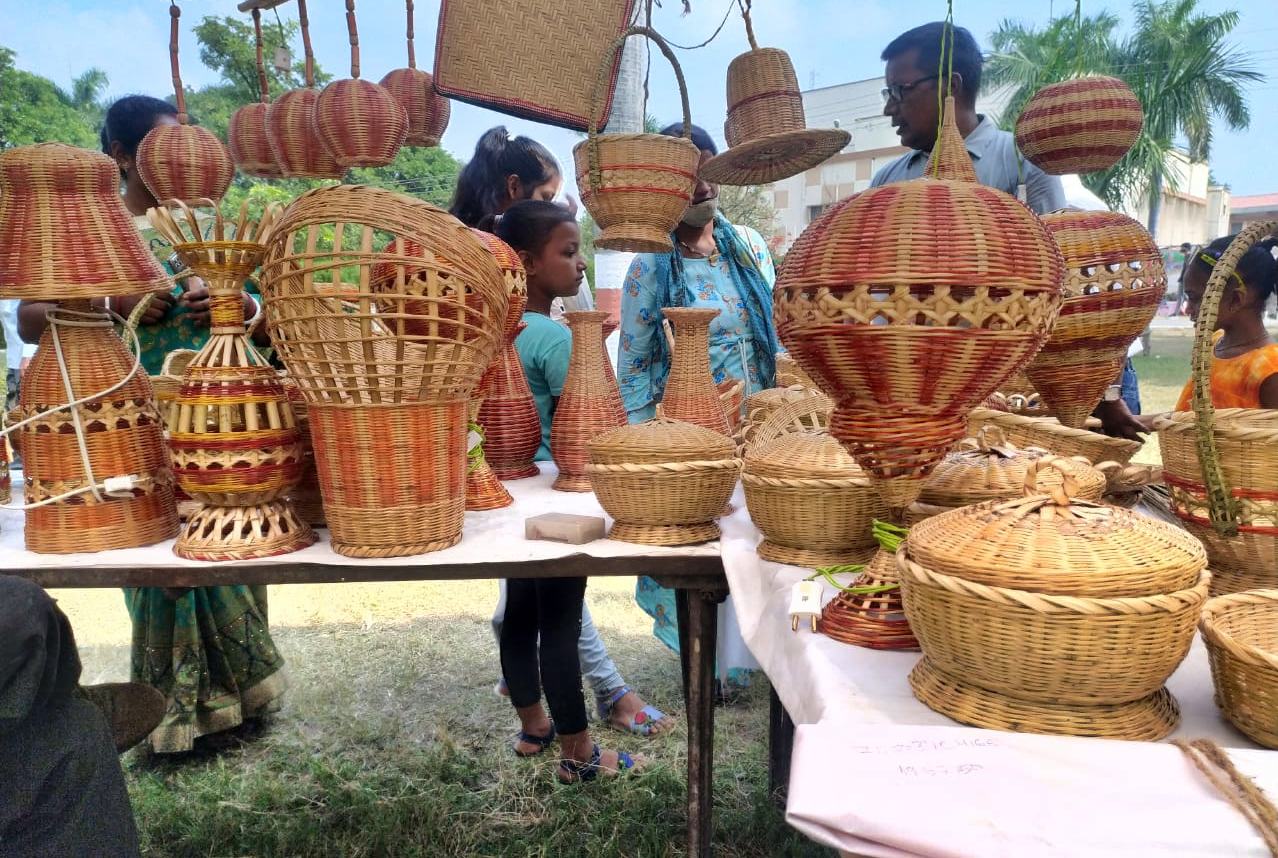
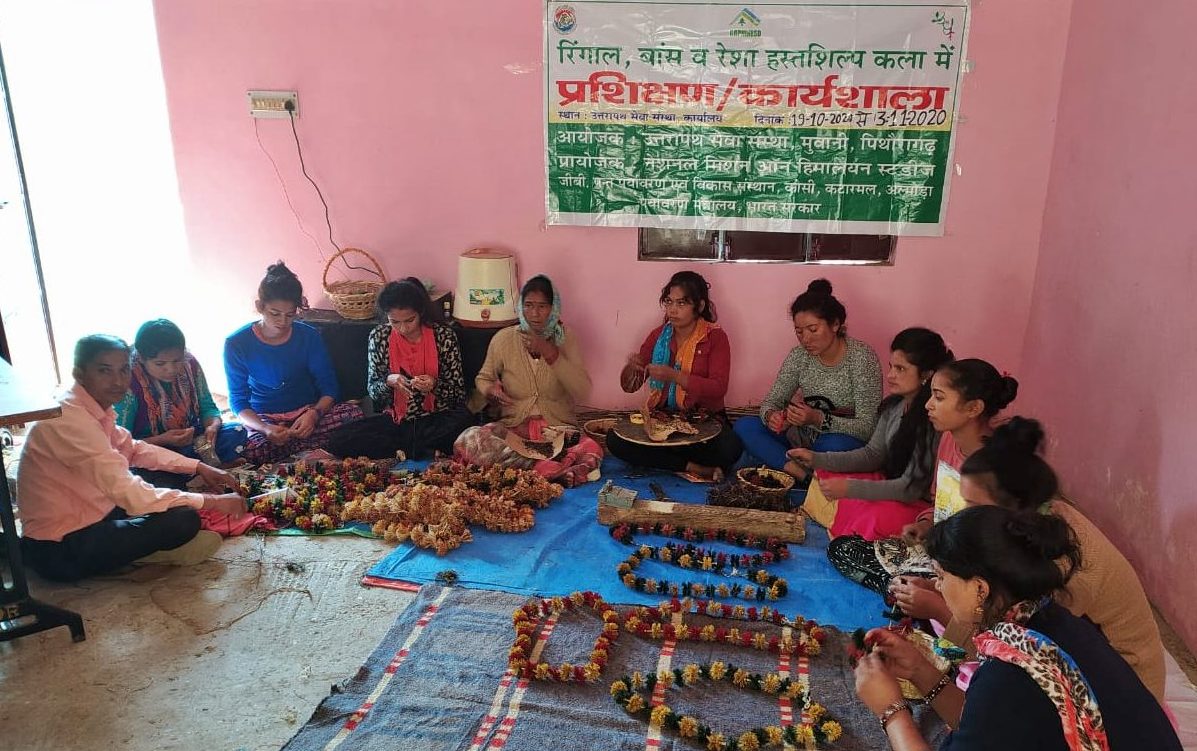
In the view of the above, an important area of work under the NMHS is to reduce the pressure on the natural resources through the provision of alternative livelihoods and income generating options and seeks to upscaling tested eco-friendly economic activities, nature based tourism including eco-tourism, documentation of indigenous knowledge systems and new technology development, researching and training programs, workshop, capacity building on promoting bio-resource planning,. In this direction, the following 46 projects are ongoing under the NMHS, which aims to directly indirectly address increase income and socio-economic status of hill people..
Overall Objectives
  1. Improvement in adaptive capability of community and local governance by enhancing resilience of local community;
  2. Development/upscale of rural technologies i.e. Pen Aquaculture Technology, Beekeeping etc;
  3. Explore different traditional knowledge and promote income generation practices and approaches;
  4. Generation of alternative supplementary livelihood options for hill communities through value addition and entrepreneurship development;
  5. Empower local communities, particularly women and weaker section;
  6. Providing training to local communities including youth for effective dissemination of traditional and developed technology;
  7. Establish institutional networking mechanisms;
  8. Sustainable tourism including eco-tourism; .
  9. Training and demonstration centre(s) for various stakeholders;
  10. Documentation of environmental friendly traditional rural technology;
  11. Increase socio-economic status of local peoples.
NMHS Funded Projects: 63
FY 2025-26
  1. Sustainable Conversion of Phumdi Biomass from Loktak Lake into Green Energy, Biochar, and Vinegar for Livelihood Enhancement in Manipur.
  2. Enhancing Livelihoods of Border Communities in Arunachal Pradesh through Post-Harvest Innovations and Technology Dissemination for GI-Tagged Products.
  3. Development of On-Farm Yak Milking Machine and Feed Pelletization Technology for Sustainable Livelihoods in the Eastern Himalayas
FY 2024-25
  1. Agro-ecology, Climate Resilient Farming and Livelihood Enhancement in Boarder Villages of Indian Himalayan Region.
  2. Livelihood Improvement and Empowerment of Tribal Farmers through Integrated Farming Systems & ICT Application in Arunachal Pradesh.
  3. Mainstreaming Cash- generating Potential of Underutilized Crops to Enhance Food, Nutritional and Livelihood Security in face of Changing Climate in Vibrant Villages of Kumaun Himalayas.
  4. Integrating Ecotourism, Waste Management, and Green Construction for Community Resilience and Livelihood Enhancement in the Indian Himalayan Region.
  5. Trout Farming as Backyard System in Vibrant Villages for Livelihood and Nutritional Security.
  6. Development of Sustainable Geo-tourism and Global Geopark for livelihood generation in Pithoragarh and neighbouring districts of Kumaon Himalayas.
  7. Promotion of Orchids for Floricultural Trade and as Source of Bioactive Compounds with Medicinal Value for Economic Prosperity while Safeguarding Natural Biodiversity in Border Villages of Arunachal Pradesh.
  8. Green Cycle: Transforming Invasive Weeds into Biopesticides and Bio-Energy Pellets for a Sustainable Livelihood.
  9. Livelihood Improvement of Farmers of Papum Pare District of Arunachal Pradesh, India using Agro-waste Products
  10. Empowering Livelihood of Organic Farm Women: A Climate-resilient Farming Model Approach in Sikkim.
F Y 2020-21
  1. Development of Site-specific and Appropriate Crop/ Enterprise-based Models Suitable for Different Agro-eco Situations of Kashmir.
  2. Development of low-cost commercial fish feed for two cultured carp species of Kashmir valley using locally available aquatic macrophytes for regional socio-economic development.
  3. Exploring Livelihood Potential of Wild Growing Stinging Nettle (Urtica dioica) in Uttarakhand.
  4. Inventory of Wild Mushrooms of Nagaland, Nutritional Assessment, Cultivation of Few Commercially Viable Wild Edible Mushrooms and Products Development for Sustainable Livelihood of Rural Tribal.
  5. Solar technology for post-harvest processes and sustainable agriculture for income enhancement of tribal communities living in Cold Desert Region of Ladakh Kargil
  6. Enhancing Livelihood of Farmers in Sikkim Through Process Standardization and Mechanization of Yak Milk Cottage Cheese (Hard Churpi) Processing
F Y 2019-20
  1. Himalaya Calling: Bridging science, policy and practice to foster sustainable development in the Indian Himalayan region (IHR).
  2. Enhancement of Livelihood Opportunities through Sustainable Development using Multifaceted Support Plans for Village Cluster around Patiya in Takula Block, Almora District, Uttarakhand
  3. Income Generation Programme for Rural Women Farmers through Commercial Production of Some Promising Medicinal and Aromatic Plants in Garhwal and Kumaon Regions of Uttarakhand.
F Y 2018-19
  1. Socio-Economic Value Creation through Forest Bio-Residue Based Energy Generation in alignment with the UN’s SDGs.
  2. Uplifting socio-economic status and quality of life of rural women through integrated livelihood enhancement programme.
  3. Implementing Bamboo-based Entrepreneurship & Livelihood Development Programme in Tripura.
  4. Improvisation of the traditional practices of night soil microbiological intervention for sustaining agro-ecosystem in the Lahaul valley of Northwestern Himalaya .
  5. Enhancing livelihood of farmers in Sikkim Darjeeling Himalayan belt thorough possible interventions in processing and value addition of underrated horticultural and spice crops
  6. Adoption of Medicinal and Edible Mushroom integrated with climate resilient interventions for up-scaling livelihoods in Garhwal Himalaya
  7. Promoting Livelihood by Bamboo Charcoal Production and Briquetting to the selected forest fringe villages of Karbianglong District, Assam
  8. Creating Climate-resilient Communities in Mid-Hills of Uttarakhand: Interventions Towards Forest & Water
  9. Production of Growing Medium of Button Mushroom through New Invented Semi-Automatic Portable Composting Structure at the Door of Beneficiaries (Women and ST/SC Community People) of Uttarakhand Hills
  10. Linking Tourism, Local Environment and Waste Generation in Indian Himalayan States Using CGE Model: Case-Study of Uttarakhand
  11. Cultivation of Packing Leaves Plant for Livelihood Enhancement of ST Communities and Promotion of Packing Leaves as Substitute of Plastics in Meghalaya
  12. Estimation of Contribution of Non Timber Forest Products (Minor Forest Products) towards Rural Economy of Nagaland
  13. Livelihood Option for Small Land Holding Rural Farmers of Sikkim -Integrated Pyramidal Farming Model
F Y 2017-18
  1. Enhancement of the quality of livelihood opportunities and resilience for the people in the Indian Himalayas, through Design of Intervention strategies aimed at maximizing resource potential and minimizing Risks in urban-rural ecosystem.
  2. Developing livelihood options and explore employment generation by creating sustainable ecotourism opportunities involving youth and women in the mountain ecosystem of Uttarakhand and Himachal Pradesh of India.
  3. Development of natural resource based livelihood options and employment for small holder mountain farmers of Kumaon and Garhwal Himalayas with special focus on women in the Dudhatol region catchment of origin of River Ramganga (West).
  4. Promoting Livelihoods by Innovation in Temperature Horticulture Crops in Garhwal and Kumaun Regions of Uttarakhand
  5. Establishment of functional foods R&D Centre and dissemination of the developed technology for the livelihood, nutritional security and entrepreneurship of the farm women of Himachal Pradesh.
  6. Horticulture based eco-friendly development and promotion of women friendly entrepreneurship for livelihood improvement in rural area of Tripura
  7. Assessment, Documentation and Validation of Sustainable Traditional Management Practices with Special Emphasis on Carbon Sequestration and Livelihood Improvement in Eastern Himalaya
  8. Up-scaling of climate-friendly pen aquaculture technology for improved livelihood, employment generation and enhanced income of wetland fishers of North-eastern India
  9. Entrepreneurship Development Among Tribal Men & Women Through Scientific Beekeeping in District Rajouri, (J&K)
  10. Promotion of Sustainable Community Based Tourism in the Khangchendzonga Landscape: Linking Livelihoods with Nature Conservation
  11. A Value Chain of Saffron in New Areas of NW Himalayas by Engaging Youth and Women for Strengthening a Bio-Based Green Economy
  12. Establishment of Community Fodder Banks in Forest Fringe Villages in Uttarakhand and Himachal Pradesh
  13. Bioconversion of pine needles – A challenging waste of Himalayan Forest to 2nd generation biofuel
  14. A Pilot Project for Promotion of Village Tourism in the Outer Periphery of Tehri Dam to Ensure Sustainable Livelihood Options to Youths and Women by Protecting Environmental and Local Cultural Heritage
  15. Exploring wildlife and nature-based tourism as a potential livelihood option for local people inhabiting around the protected areas in eastern Himalayas, Arunachal Pradesh: A sustainable approach for biodiversity conservation
  16. Himalayan Bee Watch and Bee Museum: A platform for documentation, monitoring, and research and a window for sustainable development of Forest Villages of Darjeeling
  17. Livelihood improvement through quality corm production viz-a-viz promotion of saffron (Crocus sativus L.) cultivation in cold arid regions of Ladakh
  18. Impact of climate change on apple production and screening of climate resilient varieties in Kashmir valley
  19. Availability, Utilization and Digital Document of Non-Timber Bioresources for Sustainable Rural Livelihood and Decision Support System of the Rural Households in the Northwest Himalayas
  20. Strategies to Improve Health and Nutritional Status of Hill Farm Women through Technological Intervention
  21. Conservation of Biodiversity and Livelihood Enhancement through Community-Based Forest Management and Ecotourism in and around Submergence of Small Hydropower Project
  22. Large Cardamom and Other Multilayer Innovative Farming in Mengio Circle of Arunachal Pradesh and Its Impact on Sustainable Rural Livelihood
F Y 2016-17
  1. Innovative Technologies for Climate Change Mitigation and Biodiversity Conservation with alternate livelihood opportunities for mountain communities in North Western Himachal Himalayas.
  2. Environmental monitoring and assessment of climate change of tourism affected Himalayan sub regions of Shimla and Chamba (HP).
  3. Conservation of local ecology, and degraded or wasteland management through “Rambans” (Agave) plantation and generation of availability of resources in villages for providing base to livelihood activities.
  4. Livelihood improvement and empowerment of rural poor through quality bulb production in cut flowers under temperate conditions of Kashmir Valley
FY 2015-16
  1. Enhancing livelihood of Himalayan communities through action research and transforming wild produces into high value products.
  2. A Sustainable Approach for livelihood improvement by Integrated Natural Resource Management in the central Himalaya.
Measurable Targets up to 2020
Demonstration of eco-restoration models in selected IHR States.
Adoption/adaptation of tested farming options/technologies for improved livelihood and rural employment;
Development of appropriate technologies for income generation.
Creation of new eco-tourism opportunities in selected sites in the IHR.
Digitization of database on resource status, availability & use pattern for all sites;
Policy implications and impacts publication – Policy briefs, research papers, bulletins, report etc.
Capacity building (12 trainings one from each IHR States).
Monitoring Indicators
Periodic submission on region-specific best practices/ demonstrative models (No.);
No. of New Demonstrative Technology, new Micro-enterprise(s) developed and Skill Development Trainings;
No. of Stakeholders benefitted (No. of Rural Youth, No. of Women, and Total No. of Beneficiaries) with update on Income generation (Rs./ person);
No. of Capacity Building Programmes and No. of stakeholders benefitted;
No. of Policy draft(s) and other publications and knowledge products developed.
Deliverables
Development of 10 demonstration field models;
Establishment of 15 up-scale models for conservation and management of natural resources using tested technologies;
Developing a decision support system by itegarting SDM on GIS platform;
Development of 60 communities based village development plan;
Development of 15 training manuals and field applicable manuals;
Organization of more than 100 trainings/workshops;
Development of knowledge products: Research papers - 45; Book chapters – 20; Monographs – 10; Action plans – 05; Report/dissemination materials – 30 etc.
Capacity building to more than 3000 stakeholders.
Achievements till date ...
Total 59 small micro-enterprises initiated - Wild edible produces, medicinal plant cultivation, cut flower, Organic farming, Eco-tourism based model etc. in J&K, Himachal Pradesh and Uttarakhand (Total >31,000 beneficiaries from 177 Villages) .
Total 34 new eco-tourism models (Home stay, Nature trail, Heritage site, Cultural/ agro based, etc) are being developed on identified theme- Himachal Pradesh, Uttarakhand, Tripura and Arunachal Pradesh
Bio-gasifier based on pine needle- 2 community owned pilot plants-Uttarakhand
Creating commercially viable product to utilize pine leaves (main cause of fire) - linkages with paper and handicraft industry – Uttarakhand; Developed Pine Processing unit for making Carry bags, file cover, folder, etc. -Uttarakhand
Model developed for Conversion of plastic waste into high value products: Graphene; Graphene nano-sheet based electric double layer capacitor- Uttarakhand
Integrated Natural resource management (NRM) model for 8 SC/ST dominating villages by adopting existing technology (Poly house, organic farming, Backyard Poultry units, Integrated Fish farming, Community based Mushroom Cultivation, Mini Compact bio gas system, etc.) (involved 246 HHs; Net income Rs 6000 to 20000 per HH)-Uttarakhand
Low Cost Solar Water Heater model - Himachal Pradesh (Solar Heating system Installed at HP (305 No.); Cost: 10000 for 100-120 l/d)- Himachal Pradesh
Low-cost and durable Model Housing Structures –Assam; Earth Quake Resilient Housings Model-Tripura
Access benefit sharing (ABS) framework developed for 19 high value products –Uttarakhand
Total 19 high value products were successfully developed and launched by HARC Alaknanda Women Cooperative under the brand name "Mountain Beam"- Uttarakhand. Total 4097 HH earned ₹ ~21Lakh through harvesting, collection and procurement of wild produces and Cooperative run by 40 SHGs have earned ₹ ~40 lakh through development and sales of these High value product
Total 40 SOPs for 49 products are being developed to prepare various nutritional, cosmetic and fiber based products (Net income Rs 40 lakh of >4000 beneficiary from 18 wild edible products)-Himachal Pradesh, Uttarakhand, Sikkim, Arunachal Pradesh
400 Skill development/Training Programmes organized in 07 IHR States (Water management, Management of NTFP, Medicinal plant cultivation, Horticulture Skills, Mushroom Cultivation, Saffron Cultivation, Solar energy, etc.)
"State of Art " temperate fruit nursery on State Horticulture Department nursery (0.5 ha; produced 8993 plants) and Rejuvenated the 16243 apple trees in orchards through grafting (benefitted farmer 141 farmers across 22 villages ) -Uttarakhand
Development of 15 Apple ‘Progeny Cum Demonstration Orchards’ (PCDO) in 15 village-Uttarakhand
Total 12 knowledge products published i.e. 1 Book on Wild edible species, 01 Research Articles, 5-Techniocal Reports, 5 Training Manuals
Total 11 policy brief papers were published in a compendium of best practices in IHR
Website Hits:
Unique Visitor:
Last Update: 23.06.2026
Contact Us |   Designed, Developed & hosted by NMHS-PMU